


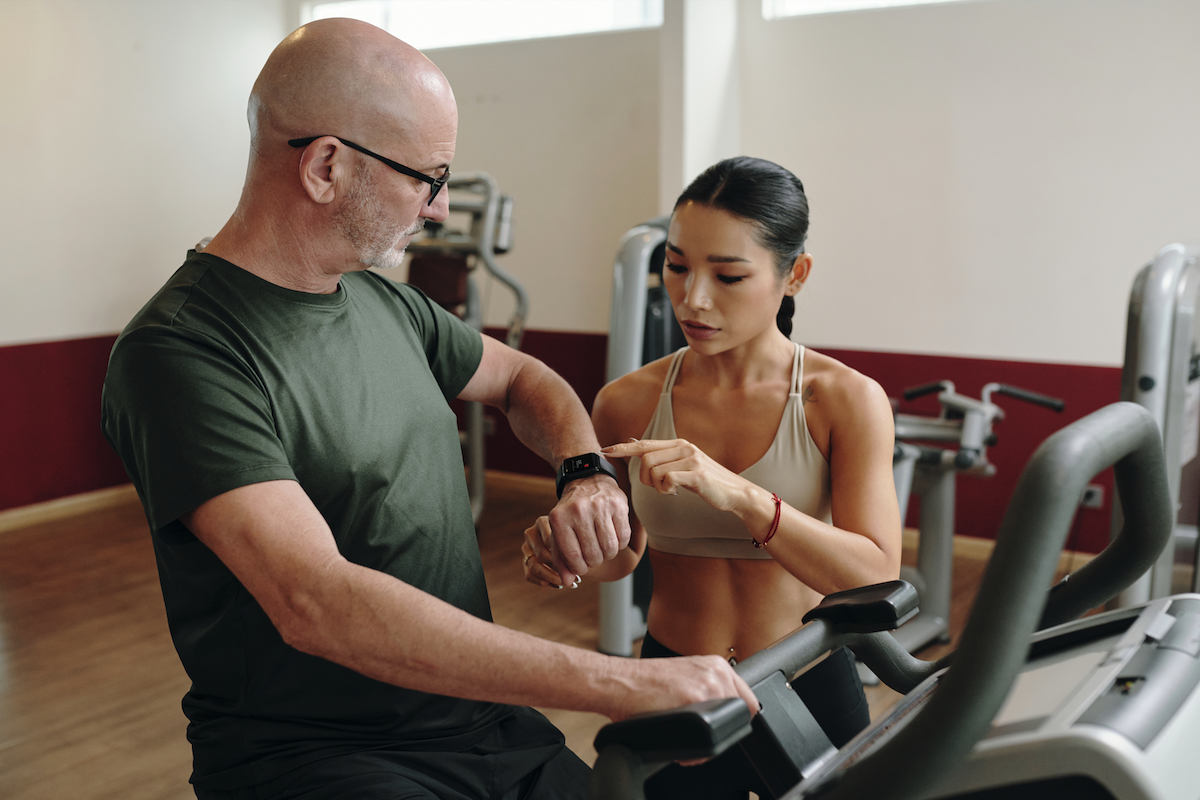


“There are barriers to participating in traditional cardiac rehabilitation,” says Shah, an associate professor of epidemiology in the Rollins School of Public Health. “Some people may have challenges getting transportation. Others have a work schedule that’s hard to manage around. And some people are afraid to exercise. They don’t know whether their heart can take it.”
More than 600,000 Americans experience new heart attacks in an average year, while another 200,000 will suffer recurrent attacks. Cardiac rehabilitation programs that combine exercise, diet, stress management and overall physical and mental monitoring can reduce the development of cardiovascular disease, recurrent heart attacks and hospital readmissions, but many patients have been slow to try them. Fewer than one-third of eligible U.S. adults take part. Recognizing that heart attacks during exercise are rare while post-attack exercise can actually save lives and help patients live longer, Shah and Arash Harzand, associate professor in the School of Medicine, partnered with the Veterans Administration to search for new ways to help these patients lower their risk of a second attack.
“We found that a lot more people can do cardiac rehabilitation at home using virtual methods to check in with providers,” he says. “We have some people who have a pretty good exercise program to begin with walking into cardiac rehabilitation. They’re not afraid of exercise, but their diet needs work or they have a lot of stress, so we can focus on that because the structure of virtual cardiac rehabilitation is having virtual check-ins with someone rather than showing up to exercise.”
Program for remote cardiac rehabilitation
Shah’s program, Smart HEART (short for Health, Educational And Rehab Tech), is a comprehensive intervention for remote cardiac rehabilitation that integrates mobile health technology into home-based exercise training and lifestyle counseling. He and his colleagues started with simple tools like workbooks and phone calls to connect veterans with providers and programs that helped them change their habits, then added a second high-tech option to access the same programs through mobile phone-based apps like Fitbit trackers and specially developed phone tools designed to increase engagement for cardiac patients.
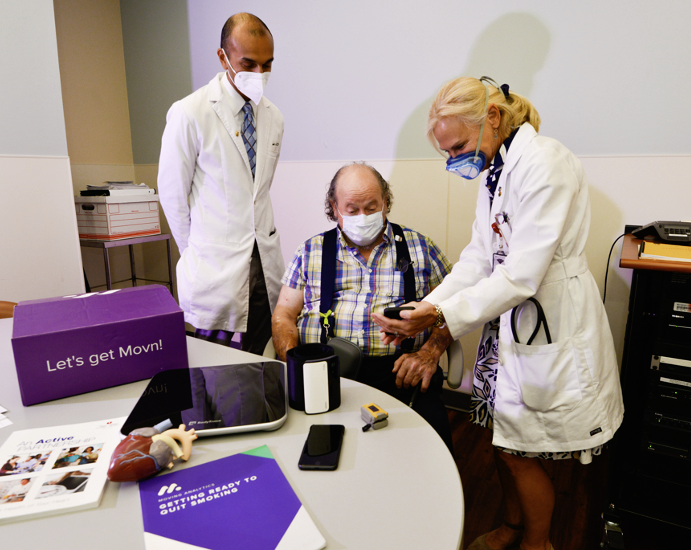
They conducted pragmatic trials involving human-centered design with three groups of patients: one undergoing rehab in hospitals and two that underwent home-based rehab either with or without the assistance of the mobile health apps. A fourth group of patients who were referred to rehab by their provider, but ultimately did not participate, was analyzed as a control group.
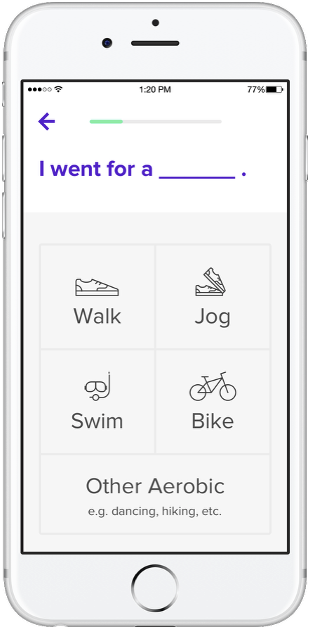
“Communication through the smartphone app comes in the form of instructional videos, reminder alerts, two-way messaging with their coach and text messaging,” says Shah. “It gives us more tools to communicate with them. They can log their steps, their exercise sessions, and we can see it on a dashboard. That can make the rehabilitation process more efficient as well. When you have multiple ways to communicate with people, you can potentially do a better job of educating them.”
Improved patient performance
During their time in the program, the car mechanic learned better eating habits, began to exercise more consistently and lost 20 pounds in 12 weeks. The nurse started bringing food from home for lunch and began exercising 10 minutes in the morning, 10 minutes during lunch, and 10 minutes after work, with longer walks or bike rides on days off, swimming in the summer and mini-breaks for desk exercises throughout her work day. The soccer player used his own phone to take part in the program, building more awareness about the importance of diet and exercise.
After five years of testing, their research, published in the journal Circulation, showed enrollment in the two home-based rehabilitation programs, with and without the phone apps, tripled while hospital-based rehab fell by half. All patients who used rehab had lower death rates than patients who did no rehab at all. Though there wasn’t conclusive evidence that the smartphone app did better than non-technology-based rehab alone, Shah still believes larger scale tests will show the advantages of the app, which he thinks adds an extra layer of value to the existing program.
“With the home-based program,” he says, “they develop a strong one-on-one relationship with their coach, regardless of whether they use technology or not. That relationship is part of the therapeutic effect. The technology is a really important component to it. They find that the reminders are useful, they like tracking themselves, with more accountability. You can’t make things up when you’ve got these numbers. It adds an element of truth.”
link