


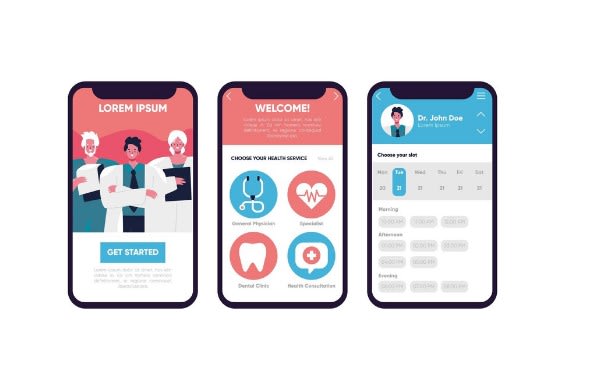
Healthcare is rapidly evolving thanks to digital technology. Mobile healthcare apps have become essential tools that connect patients, doctors, and healthcare providers—making medical services more accessible, efficient, and personalised.
From telemedicine and remote patient monitoring to health tracking and appointment scheduling, these apps are transforming how care is delivered worldwide.
As the demand for innovative and secure healthcare solutions grows, choosing the right app development partner becomes crucial.
The healthcare industry poses unique challenges, including strict regulatory requirements and the need for robust data security. That’s why partnering with a specialised healthcare app development company can make all the difference in turning your vision into a compliant, user-friendly, and impactful digital product.
In this article, we’ll introduce you to the top healthcare app development companies known for their expertise and reliability in 2025. Whether you’re a startup, a hospital, or a healthcare organisation looking to launch or upgrade your app,
this guide will help you find the right development partner to meet your needs.
1. Why Healthcare Apps Are Vital in Today’s Medical Landscape
In the age of digital transformation, healthcare apps have revolutionized how patients, doctors, and healthcare providers interact. From telemedicine and remote monitoring to appointment booking and medical record management, mobile health applications make healthcare more accessible, efficient, and personalised.
The surge in demand for healthcare apps has driven businesses and medical institutions to seek expert partners to develop secure, user-friendly, and scalable solutions. This is where healthcare app development companies step in—turning innovative ideas into life-changing digital tools.
2. Key Criteria to Evaluate Healthcare App Development Companies
Choosing the right development company can be overwhelming. Here are some key factors to consider:
- Experience in Healthcare Domain: Medical apps require compliance with regulations such as HIPAA or GDPR. Companies with healthcare expertise understand these critical standards.
- Technical Expertise: Proficiency in technologies like AI, IoT, blockchain, and cloud computing is crucial for developing advanced healthcare solutions.
- Security and Compliance: The company must implement strong data encryption, secure authentication, and compliance with medical data protection laws.
- Portfolio and Client Reviews: Past projects and testimonials offer insight into the company’s reliability and quality.
- Post-Launch Support: Continuous maintenance and updates are vital for adapting to evolving healthcare needs.
3. Overview of the Top 12 Healthcare App Development Companies
1. Apptunix
Apptunix is a leading healthcare app development company known for delivering custom-built, scalable, and secure healthcare solutions. They specialize in telemedicine apps, remote patient monitoring, fitness tracking, and electronic health record integration. Apptunix combines innovative technology with user-centric design to create apps that improve patient outcomes and streamline healthcare operations, all while maintaining strict compliance with healthcare regulations.
2. MedTech Innovators
MedTech Innovators specializes in creating custom telemedicine and remote patient monitoring apps that prioritize ease of use and strict HIPAA compliance. Their solutions enable seamless virtual consultations, real-time health data tracking, and secure patient-provider communication. With a focus on accessibility, they help healthcare providers reach patients anytime, anywhere.
3. HealthSoft Solutions
HealthSoft Solutions offers comprehensive healthcare app development services, including integration with Electronic Health Records (EHR), appointment scheduling systems, and AI-powered diagnostic tools. Their apps support hospitals and clinics in streamlining operations and improving patient engagement through personalized health insights.
4. CareConnect Developers
Known for their patient-centric approach, CareConnect Developers build apps designed to boost patient involvement in their own care. Their features include medication reminders, virtual consultations, health education resources, and secure messaging, helping patients stay informed and connected with their healthcare providers.
5. VitalApps Technologies
VitalApps Technologies develops scalable healthcare apps tailored for hospitals, clinics, and healthcare networks. Their solutions include robust security protocols, real-time analytics dashboards, and modules for managing patient records and clinical workflows, enabling providers to make data-driven decisions.
6. WellnessWare Studios
Specializing in wellness and fitness, WellnessWare Studios designs apps that integrate seamlessly with wearable devices and fitness trackers. Their apps offer personalized health tracking, workout planning, nutrition monitoring, and motivational features to promote healthier lifestyles.
7. CureLink Systems
CureLink Systems focuses on chronic disease management through mobile apps that offer real-time monitoring, medication adherence tracking, and cloud-based health data storage. Their secure platforms help patients and providers manage conditions like diabetes, hypertension, and asthma effectively.
8. PulseWave Technologies
PulseWave Technologies delivers AI-driven healthcare applications that assist with symptom checking, predictive analytics, and personalized treatment recommendations. Their smart algorithms analyze patient data to support early diagnosis and improve clinical outcomes.
9. SecureHealth Innovations
Security is at the heart of SecureHealth Innovations. They build secure messaging platforms and data management solutions that comply with international healthcare regulations such as HIPAA and GDPR. Their products enable confidential communication and safe storage of sensitive health information.
10. LifeLine Apps
LifeLine Apps creates telehealth and mental health support applications designed to be highly accessible and user-friendly. Their solutions include video consultations, therapy session scheduling, mood tracking, and crisis support features aimed at enhancing mental wellness.
11. HealthGrid Solutions
HealthGrid Solutions specializes in enterprise-grade healthcare software with a focus on integrating new mobile apps with existing hospital information systems. Their services include custom development, system interoperability, and user training to ensure smooth adoption.
12. SyncMed Technologies
SyncMed Technologies focuses on developing multi-platform healthcare applications that enhance interoperability between patients, healthcare providers, and insurers. Their apps facilitate claims processing, patient record sharing, and coordinated care management.
4. Common Features Offered by Leading Healthcare App Developers
When it comes to healthcare apps, delivering a seamless and secure user experience is non-negotiable. Leading healthcare app development companies focus on integrating features that not only meet patient and provider needs but also comply with stringent healthcare regulations. Here are some of the most common and essential features you can expect from top healthcare apps:
1. Secure User Authentication and Access Control
Ensuring only authorized users—patients, doctors, and staff—can access sensitive data is critical. Features like multi-factor authentication (MFA), biometric login (fingerprint or facial recognition), and role-based access control help safeguard personal health information (PHI).
2. Telemedicine and Video Consultations
With telehealth becoming mainstream, video calling capabilities are essential. Patients can connect with healthcare providers remotely, schedule virtual appointments, and receive consultations without needing to visit a clinic.
3. Appointment Booking and Management
Efficient appointment scheduling with real-time availability, reminders via push notifications or SMS, and easy rescheduling help reduce no-shows and improve clinic workflows.
4. Electronic Health Records (EHR) Integration
Seamless integration with EHR systems allows healthcare providers to access and update patient medical histories, lab reports, and prescriptions directly within the app, enabling better-informed decisions.
5. AI-Powered Symptom Checkers and Chatbots
Intelligent chatbots can assist patients in symptom assessment, answer FAQs, and guide them through next steps, providing instant support 24/7 and reducing the burden on healthcare staff.
6. Medication and Treatment Adherence Tracking
Reminders and alerts help patients stay on track with medication schedules, upcoming treatments, or follow-up visits, improving treatment outcomes and patient compliance.
7. Wearable Device Integration
Apps can sync with wearable health devices and fitness trackers to monitor vital signs like heart rate, blood pressure, blood sugar levels, and activity, allowing continuous health monitoring.
8. Secure Messaging and Notifications
HIPAA-compliant messaging enables confidential communication between patients and providers, along with timely notifications about test results, prescription refills, or health tips.
9. Billing and Insurance Management
Features supporting digital payments, invoice generation, insurance claim submissions, and tracking simplify the administrative aspects for patients and providers.
10. Analytics and Reporting Dashboards
Data visualization tools provide doctors and healthcare administrators with actionable insights on patient health trends, app usage, and operational efficiency to enhance care quality.
These features are crucial for developing a comprehensive healthcare app that meets the expectations of today’s users while adhering to regulatory standards. When choosing a healthcare app development company, ensure they have the expertise to implement these features effectively and securely.
5. How Healthcare App Development Companies Ensure Data Security and Compliance
Data security and regulatory compliance are paramount in healthcare app development due to the sensitive nature of personal health information (PHI). Leading healthcare app development companies employ a combination of advanced technologies, best practices, and strict adherence to legal standards to protect user data and maintain trust. Here’s how they do it:
- Compliance with Healthcare Regulations
Healthcare apps must comply with regional and international regulations such as:
- HIPAA (Health Insurance Portability and Accountability Act) in the United States
- GDPR (General Data Protection Regulation) in the European Union
- PIPEDA (Personal Information Protection and Electronic Documents Act) in Canada
- Dubai Health Authority (DHA) regulations in UAE
Development companies ensure that apps meet all relevant legal requirements by designing processes around data privacy, user consent, and breach notification protocols.
- End-to-End Data Encryption
To prevent unauthorized access, all sensitive data—whether at rest or in transit—is encrypted using strong encryption standards like AES-256. This means that even if data is intercepted, it cannot be read without the encryption key.
- Secure User Authentication
Robust authentication mechanisms such as multi-factor authentication (MFA), biometric verification (fingerprint, facial recognition), and secure password policies prevent unauthorized access to the app and its data.
- Role-Based Access Control (RBAC)
Not all users require access to the same data. RBAC restricts access based on the user’s role (patient, doctor, admin), ensuring users can only view or modify information necessary for their function.
- Regular Security Audits and Penetration Testing
Top healthcare app developers conduct frequent vulnerability assessments and penetration testing to identify and fix security weaknesses before malicious actors can exploit them.
- Data Anonymization and Minimization
Where appropriate, personal data is anonymized or pseudonymized to reduce privacy risks. Companies also collect only the data necessary to provide app functionality, limiting exposure.
Secure Cloud Infrastructure
Many apps use cloud services that comply with healthcare security standards (like AWS HIPAA-compliant services or Microsoft Azure for Health). Cloud providers offer built-in security features such as firewalls, intrusion detection, and compliance certifications.
- Audit Trails and Monitoring
Maintaining detailed logs of data access and changes helps detect suspicious activities and provides accountability for compliance audits.
- User Education and Privacy Policies
Transparent privacy policies inform users about data collection and usage. Additionally, developers often build features to obtain explicit user consent and provide options for data control and deletion.
- Incident Response and Disaster Recovery Plans
Preparedness for data breaches or system failures includes clear incident response protocols and backup systems to quickly restore services while minimizing data loss.
By implementing these strategies, healthcare app development companies ensure that apps not only protect sensitive health information but also foster trust with users and comply with all necessary regulations—making data security a cornerstone of successful healthcare digital solutions.
6. Pricing Insights: What to Expect When Hiring Healthcare App Developers
The cost of developing a healthcare app varies based on features, complexity, and platform choice:
Basic Apps: $5,000 – $10,000 (simple features like appointment booking)
Mid-Level Apps: $10,000 – $15,000 (includes EHR integration, telemedicine)
Advanced Apps: $20,000+ (AI, IoT, blockchain, multi-platform support)
Factors like design complexity, regulatory compliance, and maintenance also impact pricing. Choosing experienced developers ensures better value and smoother project delivery.
7. How to Choose the Right Healthcare App Development Partner for Your Needs
Choosing the right healthcare app development partner is crucial to the success of your project. The healthcare industry’s unique requirements for security, compliance, and user experience demand a specialized approach. Here are the key factors to consider when selecting your development partner:
1. Healthcare Industry Expertise
Look for companies with a proven track record in healthcare app development. They should understand healthcare workflows, regulatory requirements such as HIPAA or GDPR, and the nuances of patient-provider interactions. This expertise ensures your app meets legal standards and user expectations.
2. Technical Proficiency and Innovation
The ideal partner should be proficient in modern technologies such as AI, IoT, blockchain, and cloud computing. These technologies drive innovation in healthcare apps—enabling features like remote patient monitoring, AI diagnostics, and secure data management.
3. Security and Compliance Focus
Data security is paramount in healthcare. Choose a company that prioritizes secure coding practices, data encryption, and compliance with relevant regulations. Ask about their processes for conducting security audits and managing data breaches.
4. Comprehensive Portfolio and Client References
Review the company’s portfolio to evaluate the complexity and quality of their past healthcare projects. Request client references or testimonials to gain insight into their professionalism, communication, and ability to meet deadlines.
5. Customization and Flexibility
Every healthcare provider has unique needs. Your development partner should be willing to customize solutions tailored to your business goals, patient demographics, and operational workflows.
6. Transparent Pricing and Clear Timelines
Look for companies that provide detailed proposals with clear pricing breakdowns and realistic development timelines. Transparency helps avoid unexpected costs and project delays.
Selecting the right healthcare app development partner ensures your app not only launches successfully but continues to provide value in a fast-changing healthcare environment. Take your time to research, ask the right questions, and choose a partner aligned with your vision and requirements.
Final Thoughts: Partnering with the Best to Transform Healthcare Delivery
The healthcare industry is undergoing a profound digital transformation, and mobile apps are at the forefront of this revolution. From enhancing patient engagement to enabling remote monitoring and streamlining clinical workflows, healthcare apps have the power to reshape how care is delivered.
However, developing a successful healthcare app requires more than just technical skills—it demands a deep understanding of healthcare regulations, data security, and the unique needs of patients and providers. Partnering with a top-tier healthcare app development company ensures your vision is translated into a secure, user-friendly, and compliant solution that drives real-world impact.
When choosing your development partner, prioritize those with proven expertise, innovative technology adoption, transparent processes, and ongoing support capabilities. A reliable partner not only builds your app but becomes a strategic ally in your mission to improve health outcomes and patient experiences.
Investing in the right healthcare app development company today will empower your organization to stay ahead in a competitive market, deliver exceptional care, and unlock new opportunities for growth in 2025 and beyond.
The future of healthcare is digital — and with the right partner, it’s within your reach.
Frequently Asked Questions (FAQs)
1. Why should I invest in a healthcare mobile app?
Healthcare apps improve patient engagement, enable remote care, reduce admin workload, and streamline communication—making care delivery faster, more accessible, and efficient.
2. How much does it cost to build a healthcare app?
A basic app may cost around $5,000–$10,000, while more advanced solutions with AI, EHR integration, or telemedicine features can range $10,000–$20,000 or more.
3. How long does it take to develop a healthcare app?
Timelines vary by complexity. A simple app may take 3–4 months, while complex apps can take 6–9 months or longer, including testing and compliance checks.
4. Are healthcare apps legally required to be compliant?
Yes. Apps handling patient data must follow regulations like HIPAA, GDPR, or local health authorities’ rules to protect user privacy and medical data.
5. What platforms should my healthcare app support?
Ideally, your app should support both Android and iOS, or be built using cross-platform frameworks like Flutter to reduce cost and reach more users.
6. Can a healthcare app integrate with wearable devices?
Yes. Many modern apps integrate with smartwatches, fitness bands, and medical devices to monitor vitals and sync health data in real time.
7. How do I choose the right healthcare app development company?
Look for companies with healthcare-specific experience, a strong portfolio, a clear understanding of compliance, and solid post-launch support.
link