AI-Enhanced Fitness App Development for Physical Recovery

In the homes of stroke survivors across Karachi, individuals are meticulously relearning to grip everyday objects while guided by intelligent applications that monitor kinematic tremors with mathematical precision. The current landscape of AI-enhanced fitness app development for physical recovery represents a significant departure from traditional methods, where motion-tracking technology now meets personalized rehabilitation to establish new standards for healing.
Musculoskeletal disorders remain a primary global cause of disability, frequently overwhelming the capacity of conventional healthcare systems to provide consistent, one-on-one oversight. Rehabilitation and motion-tracking applications bridge this gap by utilizing high-resolution cameras and machine learning to analyze movement kinematics with surgical accuracy.
By converting recovery into a responsive, interactive experience, these digital solutions equip patients with the tools to pursue intensive therapy within their primary living environments. As injury rates climb, global statistics from the World Health Organization identify musculoskeletal disorders as a leading cause of disability, indicating that traditional methods often fall short. Enter rehabilitation and motion-tracking apps.
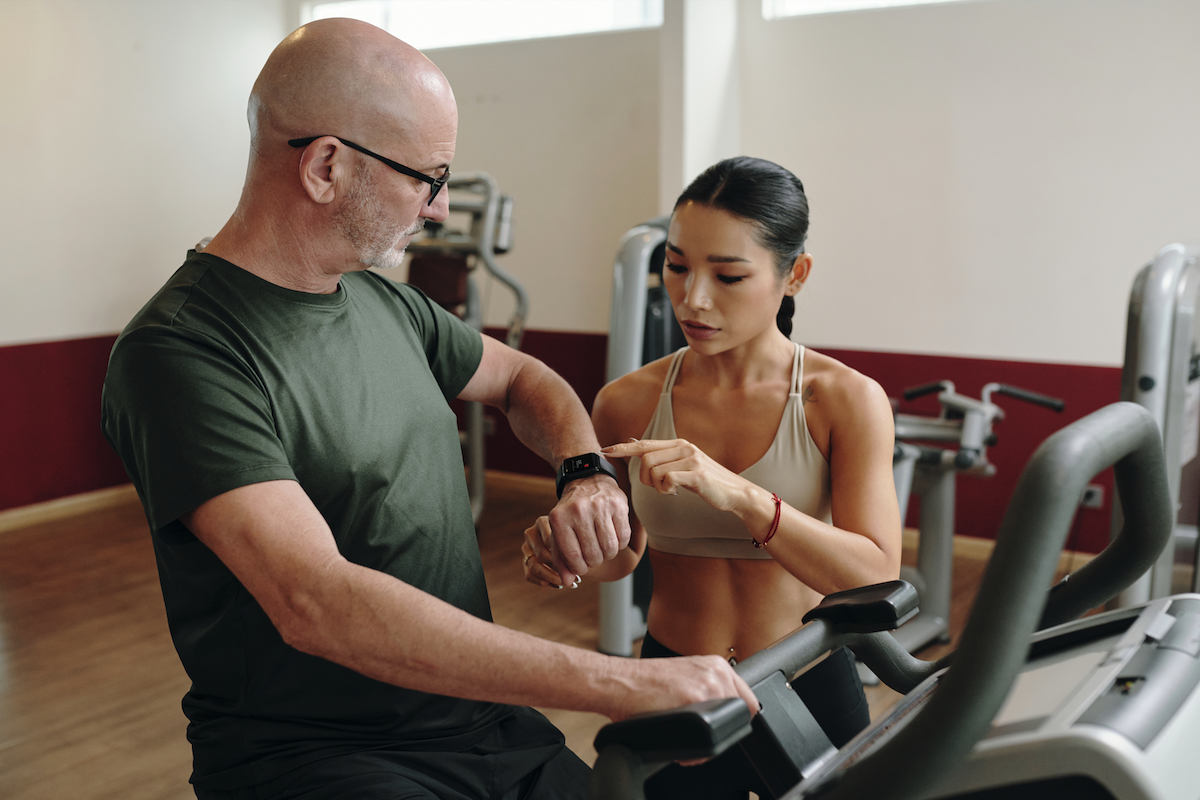
These digital tools use smartphone cameras, wearable sensors, and AI algorithms to monitor movements with pinpoint accuracy, offering instant feedback and adaptive programs. They are transforming passive recovery into an interactive journey, much like how fitness trackers gamified workouts for the gym crowd.

Harnessing Motion-Tracking Technology for Precise Body Kinematics
At the heart of these apps lies sophisticated motion tracking. Using computer vision and machine learning, they analyze body kinematics, joint angles, velocity, and posture without needing bulky equipment.
Applications such as Kaia Health or RecoverX utilize AR overlays to project virtual guides onto real-world movements, providing immediate form corrections. AI-driven neural networks analyze vast datasets from thousands of clinical profiles to customize therapeutic regimens, which has been shown to reduce recovery time by up to 30%, per studies in the Journal of Medical Internet Research.
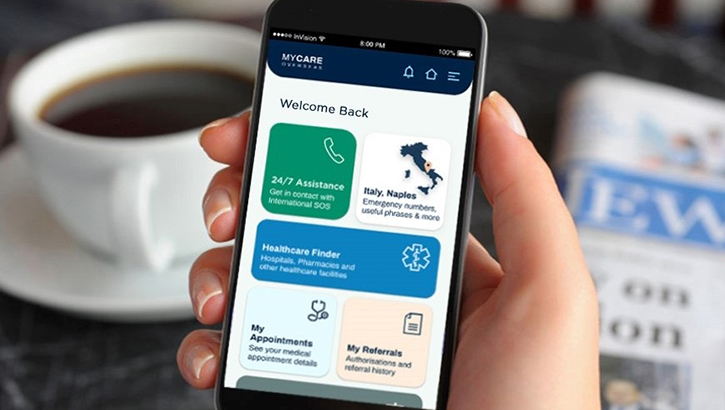
The surge in healthcare app development has enabled healthcare mobile app development companies to pioneer integrations that prioritize clinical precision. By utilizing advanced sensors and visual data, these platforms offer sophisticated oversight for complex recovery needs.
The primary capabilities of these precision-driven integrations include:
- Automated detection of gait deviations such as post-surgical limps.
- Real-time intensity adjustments based on movement quality.
- Predictive modeling to identify early signs of muscle atrophy.
- Strategic risk flagging to prevent secondary injury during home sessions.
These proactive measures provide users with the data-driven confidence necessary to manage the complexities of their rehabilitation process independently. This level of foresight transforms mobile devices into essential clinical companions.
Scalability and Global Access in Underserved Regions
Yet, the real game-changer is scalability. In underserved areas like parts of Pakistan or rural India, where physical therapists are scarce, these apps bridge gaps. A healthcare app development services provider might build a platform where users upload sessions for remote clinician review, democratizing access to elite care.

Custom Healthcare Software Development and Epic EHR Interoperability
The development of specialized rehabilitation applications requires more than standard programming skills. Professional custom healthcare software development requires strict adherence to regulatory frameworks like HIPAA and GDPR while ensuring high-level system interoperability for reliable data exchange.
Here’s where Epic integration shines. Epic Systems, a leading EHR platform serving over 250 million patients globally, maintains an extensive repository of longitudinal health data. Epic systems integration and Epic EHR integration allow rehab apps to pull records of past injuries, meds, and even genetic predispositions, creating hyper-personalized plans.
Integration Strategies for Seamless EHR Interoperability
Consider the recovery of a post-ACL tear athlete whose application synchronizes with EHR systems to incorporate surgical notes before utilizing motion data to facilitate sport-specific drills. Developers at a healthcare mobile app development company layer in gamification badges for milestones and leaderboards for motivation while ensuring data flows bidirectionally. This isn’t vanity tech; a 2023 study by Deloitte found Epic integration cuts readmission rates by 15% in ortho rehab programs.
Neurological Recovery and Multi-Sensory Accessibility
Rehabilitation requirements frequently extend beyond orthopedic recovery to address neurological challenges. Patients managing conditions like Parkinson’s or spinal cord injuries benefit significantly from AI models trained on extensive datasets to detect subtle improvements in dexterity that often elude human observation.
Recognizing these unique needs, healthcare app development firms are rapidly expanding their feature sets to enhance accessibility. Current iterations prioritize hands-free voice commands and comprehensive multilingual support to ensure global reach for diverse patient populations.

Validating Innovation with Clinical Trial Management Systems
Validating these technological innovations requires rigorous testing protocols supported by specialized clinical trial management software (CTMS). These robust systems provide the infrastructure necessary to maintain data integrity throughout the research lifecycle.
Key functions performed by clinical trial management systems include:
- Streamlining patient recruitment and enrollment procedures.
- Centralizing the aggregation of vast kinematic datasets.
- Tracking clinical endpoints such as range-of-motion improvements.
- Monitoring longitudinal pain scores across diverse patient cohorts.
By utilizing these systematic approaches, researchers can move from early prototyping to clinical validation with higher degrees of accuracy. This structural support is essential for bringing safe AI-enhanced fitness app development solutions to the broader market.
Iterative Design Through Virtual Clinical Trials
The alignment between clinical validation and application design represents a deliberate strategic integration intended to optimize patient outcomes. Modern custom healthcare software development now integrates CTMS modules directly into rehabilitation platforms, which enables developers to refine prototypes through virtual trials prior to a comprehensive rollout. It’s a virtuous cycle: Trial data refines AI models, which in turn boost trial outcomes.
Patient Success Stories in AI-Enhanced Physical Recovery
Aisha, a 42-year-old teacher from Lahore, found her professional life interrupted after a car accident necessitated extensive physical therapy. Traditional rehabilitation methods often resulted in frustration, as her sessions remained sporadic and her physical progress was difficult to quantify.
Her clinical team eventually prescribed a motion-tracking application featuring Epic EHR integration, which utilized her smartphone camera to analyze home exercises and synchronize the results with her physician’s dashboard. “I saw my shoulder rotation improve 20% in two weeks,” she shares. “The AI coach provided immediate guidance: ‘Slower on the lift, great form!’ This level of real-time oversight provided the same quality of feedback I previously received only during clinical visits.”
Numerous patients experience similar successes through technology-assisted recovery. Veterans managing PTSD-linked mobility challenges engage with platforms featuring specialized military themes, while elderly individuals living with osteoporosis receive automated fall-risk notifications.
High-performance athletes also utilize these tools to ensure precision during post-surgical transitions. To address specific clinical needs, a healthcare mobile app development company may develop customized solutions for pediatric patients, such as scoliosis monitoring through interactive avatars.
Overcoming Structural Barriers to Equitable Recovery
While the benefits are significant, structural challenges regarding privacy and accessibility persist. Robust encryption remains a non-negotiable standard for protecting patient data, while developers must account for the fact that not all users possess high-end mobile hardware.
Addressing Algorithmic Bias and Ethical Oversight
Ethical considerations also play a critical role, as AI biases can inadvertently misguide diverse populations if models are trained on narrow datasets. Forward-thinking healthcare app development proactively mitigates these risks by utilizing inclusive data and implementing human clinician overrides to ensure safety.

Advancing Autonomy with Predictive Analytics and Motion Sensors
Advancements in motion-sensing technology are fundamentally shifting the focus of physical therapy from reactive treatment to proactive, data-driven management. For developers, the call is clear: Prioritize Epic integration for scale, leverage CTMS software for credibility, and embrace custom healthcare software development for differentiation.
By integrating AI-enhanced fitness app development with established clinical protocols, healthcare providers can now offer a level of oversight previously reserved for elite athletic training. This evolution ensures that every repetition performed at home contributes meaningfully to a patient’s longitudinal health record, reducing the likelihood of secondary injuries and significantly shortening recovery timelines.
As we look toward a future where haptic feedback and predictive modeling become standard components of home-based care, the barrier between professional guidance and patient independence will continue to dissolve.
The continuous integration of artificial intelligence and physical rehabilitation is establishing a new paradigm where recovery is a transparent, data-supported process accessible to a broader demographic of patients.
Common Questions Regarding AI-Powered Rehabilitation
How does AI improve physical therapy outcomes?
AI analyzes movement in real-time to provide immediate corrections, ensuring exercises are performed safely and effectively without constant therapist supervision.
Are motion-tracking apps compatible with major hospital records?
Most premium applications utilize Epic systems integration to sync progress directly with your official Electronic Health Record for clinician review.
Can these apps replace an in-person physical therapist?
These tools are designed to complement professional care by providing high-quality guidance and data tracking during the hours between clinical visits.
What equipment is needed for motion-tracking rehabilitation?
Many modern platforms require only a standard smartphone camera and a clear space to perform exercises, though some may sync with wearable sensors.
Is my health data secure when using recovery apps?
Top-tier healthcare app development services prioritize HIPAA compliance and advanced encryption to protect your sensitive kinematic and personal information.
link