How Mobile Apps are Changing the Healthcare Industry
Introduction
Imagine carrying a doctor, a pharmacy, and a personal health coach right in your pocket. That’s not a scene from a sci-fi movie—it’s the reality today. Thanks to mobile apps, the healthcare industry is experiencing a digital revolution. From scheduling appointments to remote monitoring and even therapy, mobile health solutions are making life easier and healthier for millions. And when it comes to cutting-edge solutions, mobile app development in San Francisco is setting the pace.
1. The Digital Shift in Healthcare
Healthcare has traditionally been a face-to-face experience. But things have changed. The pandemic showed the world how essential digital solutions could be—not just for convenience, but for survival. Now, healthcare providers and patients alike are embracing mobile apps for everything from consultations to record-keeping. The shift isn’t just a trend—it’s the future.
2. Why Mobile Apps? The Core Benefits
Let’s break it down. Why are mobile apps such a game-changer in healthcare?
Convenience: Book an appointment, talk to a doctor, or get test results—all from your phone.
Accessibility: Reach professionals and services regardless of location.
Cost-effectiveness: Reduce travel, wait times, and sometimes even costs.
Personalization: Track your health journey with customized data and tips.
It’s like having a digital healthcare assistant who’s available 24/7.
3. Telemedicine: Healthcare Without Borders
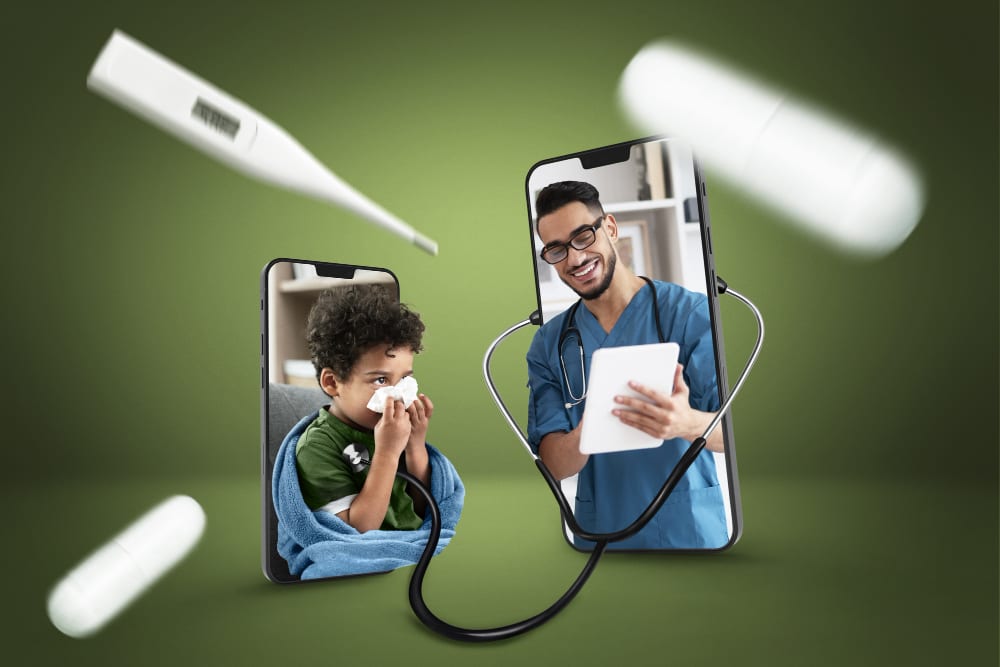
Remember the days of sitting in a waiting room for hours? Telemedicine changes that. With apps like Amwell, Teladoc, and others, patients can talk to doctors via video or chat. It’s perfect for non-emergency care and follow-ups.
Thanks to mobile app development in San Francisco, telemedicine solutions are becoming smarter, faster, and more secure. The Bay Area’s innovation culture is playing a huge role in expanding these services worldwide.
4. Health Tracking and Wearables: Data at Your Fingertips
Your smartwatch does more than count steps. Paired with mobile apps, devices like Fitbit and Apple Watch help monitor:
Heart rate
Sleep patterns
Blood oxygen levels
Calorie intake
Stress levels
This real-time data isn’t just for you—many apps can share it directly with your doctor. That’s proactive care in action.
5. Medication Reminders and Management
Let’s face it: we’ve all forgotten to take our meds at some point. Mobile apps like Medisafe send reminders, track dosage, and alert caregivers. It’s especially helpful for seniors and those with chronic conditions. You could say these apps act like a digital “post-it note,” keeping your health on track.
6. Mental Health Apps: Therapy in Your Pocket
Mental health matters—and mobile apps are helping break the stigma. Apps like Headspace and BetterHelp connect users with therapists, mindfulness exercises, and stress-relief techniques.
In a city like San Francisco, where tech meets compassion, developers are building apps that provide emotional support in real-time—no appointments, no judgement.
7. Fitness and Wellness: Beyond Just Doctors
Healthcare isn’t just about treating illness—it’s about staying well. Fitness apps like MyFitnessPal, Nike Training Club, and others help users:
Set fitness goals
Track diet and exercise
Monitor weight
Get personalized workout plans.
It’s like having a personal trainer in your pocket.
8. Patient Portals and Medical Records
Gone are the days of bulky folders and hard-to-read handwriting. Mobile apps now let you:
Access lab results
Review your medical history.y
Communicate with healthcare providers
Schedule and manage appointments
Hospitals and clinics are increasingly offering their own branded apps, often developed through mobile app development companies in San Francisco, to streamline care.
9. AI-Powered Diagnostics and Smart Health Assistants
Artificial Intelligence (AI) is quietly revolutionizing healthcare. From symptom checkers to chatbots that offer advice, AI is providing fast, accessible insights.
Imagine describing symptoms to an app, and it replies with a possible diagnosis and what steps to take next. That’s already happening thanks to AI algorithms and machine learning technologies.
10. Custom Solutions from Mobile App Development San Francisco
When it comes to innovation, mobile app development San Francisco leads the pack. Companies here are building tailor-made solutions for hospitals, clinics, and startups.
From user-friendly interfaces to HIPAA-compliant data encryption, the expertise in the Bay Area ensures top-quality healthcare apps that patients and professionals trust.
11. Data Privacy and Security in Mobile Healthcare
Of course, with great data comes great responsibility.
Healthcare apps handle sensitive information. Leading apps now include:
End-to-end encryption
Two-factor authentication
Biometric login
Developers, especially those in San Francisco’s mobile app scene, are prioritizing security in every build.
12. Accessibility: Empowering Remote and Underserved Areas
One of the biggest wins? Accessibility. Mobile apps make healthcare available in areas where clinics are scarce. Whether it’s a rural town or a developing country, a smartphone can now act as a gateway to quality care.
It’s like building a virtual hospital, one phone at a time.
13. Challenges Mobile Health Apps Still Face
Despite the growth, it’s not all smooth sailing. Some challenges include:
Internet connectivity in remote areas
Elderly users struggling with tech
Misinformation or poor-quality apps
Regulatory compliance
That’s why ongoing innovation and strict quality control are essential.
14. The Future: What’s Next in Mobile Health?
The future is even more exciting. Think:
Virtual Reality (VR) therapy
Augmented Reality (AR) in medical training
5 G-powered real-time consultations
Predictive analytics to prevent disease
And with mobile app development San Francisco at the forefront, we can expect smarter, faster, and more intuitive apps that take healthcare to new heights.
15. Conclusion: A Healthier World Through Apps
Mobile apps have transformed how we care for ourselves and others. From simple reminders to life-saving diagnostics, their impact is undeniable. Whether you’re in a big city or a small town, mobile healthcare is here—and it’s only getting better.
If you’re building a healthcare app or just looking to use one, look no further than the mobile app development San Francisco scene for cutting-edge, people-first solutions.
FAQs
1. How do healthcare mobile apps benefit patients?
They offer convenience, accessibility, and personalized care by allowing patients to schedule appointments, monitor health, and consult doctors remotely.
2. Are mobile healthcare apps safe to use?
Yes, if developed with strong security protocols like encryption and multi-factor authentication, especially by trusted firms in San Francisco.
3. What is the role of AI in healthcare apps?
AI helps with symptom checking, predictive analysis, and even chat-based consultations, making healthcare smarter and faster.
4. Can mobile apps replace regular doctor visits?
Not entirely. They’re great for minor issues and follow-ups, but in-person care is still essential for serious conditions or physical exams.
5. Why is San Francisco leading in mobile app development for healthcare?
The city’s strong tech ecosystem, access to talent, and culture of innovation make it a hub for creating reliable, user-friendly healthcare solutions.
link